
North America

The medtech giant violated USA and California antitrust law in its sales practices for devices used to cut and seal blood vessels during surgery, a jury found. Rival firm Applied Medical brought the case.

A warning letter from the US FDA citing concerns of some Abbott continuous glucose monitors will not stop the company from launching a novel diabetes sensor later this year as planned.

Cerenovus is recalling multiple products from its Cerepak Uniform, Cerepak Heliform and Cerepak Freeform product lines due to a higher-than-expected failure to detach rate. While customers were sent a safety alert in October, the US FDA announced the recall on Feb. 5.

The US FDA has published its annual international harmonization assessment for fiscal 2025, which reports on the device center’s progress in aligning medical device regulations with global standards to improve patient access to safe, innovative technologies.

Recommendations to mitigate attrition among clinical research and drug manufacturing investigators at the FDA have not been implemented, and a Strategic Workforce Plan aimed at addressing recruiting, retention and training challenges has been shelved, the Government Accountability Office said.

The US FDA has warned that Magellan Diagnostics blood lead tests may provide inaccurately high results, particularly with tubes from ASP Global. Magellan’s tests had previously been recalled over inaccurate low results. The FDA also issued warning letters to both firms.

The US FDA says Abiomed has reported 22 serious injuries linked to an issue with some of its temporary heart pumps that provide support to patients with acute right heart failure.

The US FDA’s Quality Management System Regulation has officially replaced the decades-old Quality Management System. The new system links with international standards for regulating medical device systems.

The US FDA device center’s new annual report found notable successes in 2025 that included continuing to meet user fee goals as well as making progress on patient safety, innovation, and regulatory science.
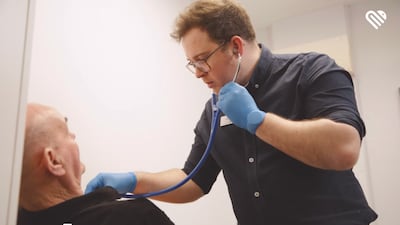
The US FDA has granted clearance to eMurmur, broadening the use of its AI-powered software platform. The innovative system identifies primary heart sounds to detect abnormal murmurs as they occur.

Molecular diagnostics firm SAGA Diagnostics has introduced a colorectal cancer test that can detect even very low levels of cancer biomarkers. The test helps clinicians guide post-surgical treatment decisions.

The US FDA has published a draft guidance on clinical performance testing and evaluation for premarket submissions from manufacturers of cuffless blood pressure measuring monitors, which the agency generally regulates as class II devices.

The electrostimulation pain treatment firm reportedly shipped excessive supplies to patients for eight years, driving up revenues as well as stock prices.

Chatbots can churn out valuable information to patients and give much needed assistance to healthcare personnel. But their mistakes can lead to significant patient harm, which is why ECRI ranks their misuse as the top health technology hazard for 2026.

AdvaMed president Scott Whitaker said the group is focused on the need for tariff stability in conversations with the Trump administration. The organization remains optimistic about other policy areas. New chairman and ResMed CEO Mick Farrell laid out his five priorities.

The US FDA has issued an early alert concerning some Axios stent and delivery systems used in endoscopic drainage procedures after receiving reports of serious injuries and deaths linked to the device.
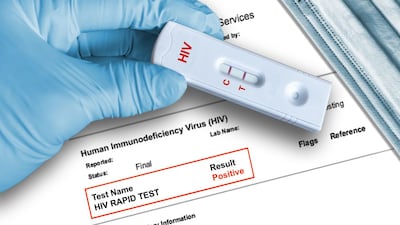
The US FDA has sent warning letters to four companies that it says distribute HIV sample collection kits for home use without proper regulatory authorization.

The US FDA has updated a pair of guidance documents relaxing the agency’s posture on how it regulates general wellness devices and clinical support software. Industry has mostly welcomed the changes, agreeing with the agency’s view that lighter regulation will help spur innovation.

Johnson & Johnson is seeking marketing authorization from the US FDA for its Ottava surgical robot for upper abdomen procedures. If granted, Ottava could prove stiff competition for Medtronic and Intuitive.
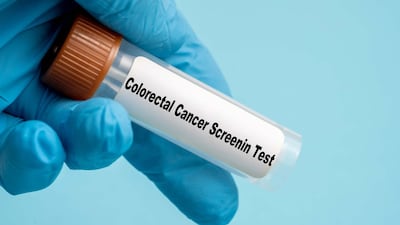
A pair of diagnostic developers backed with venture capital have teamed up with the University of Tennessee to fight colorectal cancer. The collaboration seeks to advance next generation testing to catch one of the deadliest cancers in its earliest stages.