Advanced Therapies
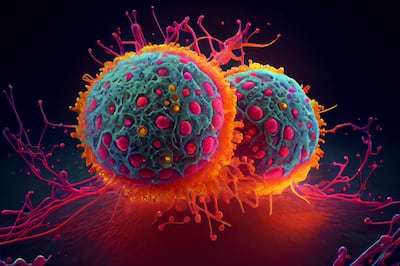
Launching In Vivo’s oncology therapeutic review series, this first instalment provides a data-led primer on the global cancer landscape. Future instalments will explore market dynamics, pipeline evolution and the innovations set to define oncology therapeutics through 2032.

A series of surprise rejections has made for an FDA that drug and vaccine manufacturers are finding much harder to read than in years past.

Kanaph Therapeutics and IMbiologics launched successful offerings in the IPO-scarce Korean market in the first quarter, as investors become more selective in their targets.

In an interview with Scrip, Samsung Bioepis’ VP and Innovation Project Lead talks about the newly launched innovation project as well as the firm's strategies and goals in ADCs and other novel therapeutics.

Something fundamental has shifted in cell therapy investment over the past 18 months. No longer about which science works, it has evolved around the question of which business model pharma believes it can scale. Increasingly, that question is being answered before a single patient is enrolled.

As biopharma continues to push the boundaries of innovation, the most powerful breakthroughs are coming from the discovery of new drug modalities, the reinvention of old ones and a strategic application of multi-modality treatment regimens.

Aside from logging generally solid earnings, South Korean pharma firms Yuhan, Hanmi and SK Biopharmaceuticals disclosed updated R&D strategies involving obesity treatments and new modalities.

SpliSense is the first company to show inhaled antisense oligos improve lung function in cystic fibrosis, validating its platform for larger COPD and asthma markets.

The Brazilian government wants to boost the country’s capabilities to develop radical innovation that leads to new therapies for the national health system.

Investors and analysts say cell and gene therapy is entering a disciplined “phoenix” phase, with selective risk taking, AI enabled platforms and new pricing models redefining how one time cures attract capital.

A review of South Korea's GIFT fast track initiative for high-need drugs reveals that foreign firms have been the main beneficiaries over the first three years.
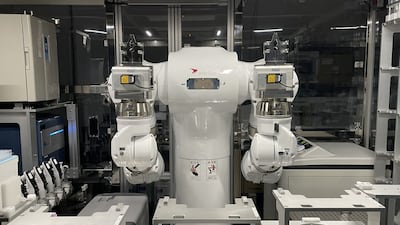
Cellafa Bioscience, an Astellas-Yaskawa joint venture, uses Maholo robotic automation and AI to standardize cell therapy manufacturing, targeting GMP compliance within two years and global expansion.