Antibiotics

As India implements minimum import prices for certain antibiotics and key starting materials, Sandoz's Simon Goeller speaks to Generics Bulletin about the potential for Chinese suppliers to dominate the world market and weaponize supply.

‘This Requires More Than Isolated Policy Interventions’ – Centrient Urges EU To Bolster Supply Chain
Centrient has urged the EU to strengthen its supply chain resilience, including incentivizing local manufacturing through revised procurement practices, after India took action to protect its antibiotics market from an increasing Chinese monopoly.
As India implements minimum import prices for certain antibiotics and key starting materials, Sandoz's Simon Goeller speaks to Generics Bulletin about the potential for Chinese suppliers to dominate the world market and weaponize supply.

Sandoz’s CEO used the firm’s latest results call to highlight “trade distortion” in the pencillins market as a result of US tariffs, urging European authorities to take action to reduce the region’s “geopolitical exposure” and safeguard the long-term sustainability of European-produced penicillins.

Recipients of the public-private funding are also expected to receive wraparound support, including strategic guidance to identify the right progression pathway for their antimicrobial resistance asset and access to key resources and sector connections.

Sandoz has lent its backing to a communiqué adopted at the European Forum Alpbach that aims to safeguard and strengthen EU-based antibiotic production.
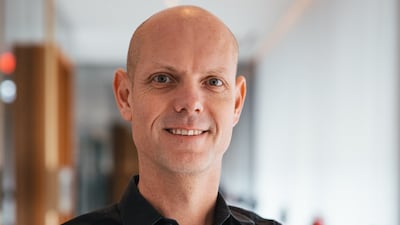
Centrient CEO Rex Clements talks about how the industry landscape is shifting for the European pure-play antibiotics producer, addressing issues including supply-chain security, US tariffs, localized manufacturing and AMR, as well as explaining how the firm is incorporating AI into its plans.

Clarity on what transferable exclusivity vouchers may look like for new antimicrobial drugs could be nearing. Denmark’s new presidency of the Council of the EU has prioritized concluding its negotiations with European Parliament over the legislative overhaul of the EU’s pharmaceutical legislation.

Close collaboration between industry, academia and government in employing artificial intelligence could solve the looming threat of antimicrobial resistance, a new report co-authored by Google says.

Former Roche CEO Bill Burns reflects on transforming Roche into a global leader in specialty care and oncology. Now, as he spearheads efforts to combat antibiotic resistance, Burns shares insights on industry evolution, the power of cultural change, and the urgent need for a new business model in antibiotics development.

Former Roche CEO Bill Burns reflects on transforming Roche into a global leader in specialty care and oncology. Now, as he spearheads efforts to combat antibiotic resistance, Burns shares insights on industry evolution, the power of cultural change, and the urgent need for a new business model in antibiotics development.

There have been no new class of oral antibiotics for uncomplicated urinary tract infections approved for over two decades. With a priority review secured in the US, GSK's triazaacenaphthylene offering could make it to market by March next year.