Guidance Documents

The latest biosimilars guidance from the FDA – which promises to further streamline applications by making it easier for developers to rely on non-US comparator products – has been warmly received by the off-patent industry.

“New Clinical Investigation Exclusivity (3-Year Exclusivity) for Drug Products: Questions and Answers” draft guidance discusses statutory and regulatory criteria for three-year exclusivity eligibility and provides recommendations on content and format of requests.
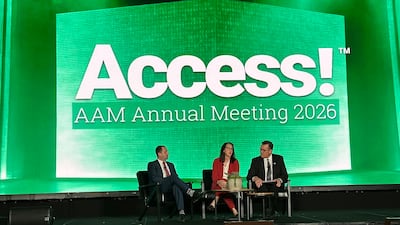
As FDA streamlines regulatory requirements for biosimilars, Robert Foster said during AAM’s annual meeting that if a company brings high-quality data to the agency, ‘sometimes the student ... teaches the tenured professor something new.’

‘It’s A Great Opportunity But It’s Also Late’ – Samsung Bioepis’ Woollett On Biosimilar Streamlining
Regulatory streamlining represents a paradigm shift for the biosimilars industry, but does it go far enough? Gillian Woollett, Samsung Bioepis’ head of regulatory strategy and policy, says streamlining must be accompanied by a sustainable economic environment for biosimilars to ensure global access.
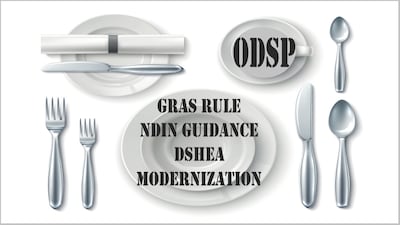
Changing self-GRAS regulation, providing NDIN safety and identity guidance and modernizing supplement industry regulatory framework are on FDA’s “2026 priority deliverables,” but not requirement for public listing of all supplements available.

Responding to recent FDA guidance on a new streamlined pathway for US biosimilars, off-patent industry representatives have urged the agency to make the approach “the new default” for biosimilar filings. However, PhRMA has suggested limiting the route to less complex product types.
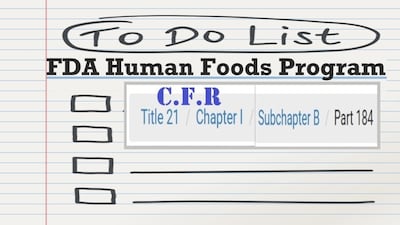
FDA Human Foods Program’s list notes Kennedy’s GRAS focus as first item in “Food Chemical Safety” category, saying the agency in 2026 “will publish a proposed regulation to require the submission to FDA of GRAS notices for all substances claimed to be GRAS.”

FDA updates pair of guidance documents relaxing its posture on how it regulates general wellness devices and clinical support software. Industry mostly welcomes changes, agreeing with agency’s view that lighter regulation will help spur innovation.
Medsafe’s latest update of New Zealand’s clinical trial guidelines aligns with international standards and clarifies expectations on patient‑centric design, streamlined safety reporting, and other regulatory requirements.
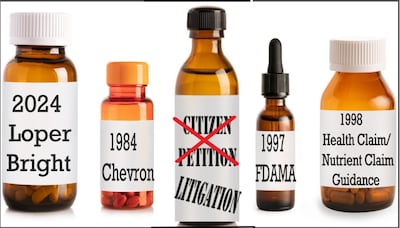
FDA rejects petition asking for approval to use, as health claims for supplements, nutrient–disease statements drawn directly from government publications and public-facing materials produced by NIH, CDC and other federal health agencies.

In the wake of recent FDA guidance setting out a streamlined approach to biosimilar registration, developers have spent the past month responding. While most reactions have been enthusiastic, some firms have sounded a note of caution.

‘A Momentous, Critical Step’: Paradigm Shift Ahead For US Biosimilars As FDA Formalizes Streamlining
With just a short guidance document, the US Food and Drug Administration has redefined expectations for biosimilar applications by removing the typical need for comparative efficacy studies to support filings. Meanwhile, major moves on interchangeability are also on the horizon.