Health Technology Assessment

Weight loss drugs have likely proven to be the most challenging medicines to introduce to the National Health Service in England, and lessons should be learned in preparation for other game changing products.

Smaller biotech companies without the regulatory resources of big pharma should approach the UK medicines regulator and health technology appraisal body for early, informal discussions on how to generate the right evidence.

A new survey of French healthcare professionals reveals concerns that France is increasingly being excluded from major international clinical studies.

European pricing and reimbursement processes, including in the UK, are on hold for now.

Standing “shoulder to shoulder” can help alleviate difficult global market conditions, according to the Joint Nordic HTA Body.

Joint scientific consultations are an important opportunity for companies to seek advice on how to optimize their clinical research for joint clinical assessments under the Health Technology Assessment Regulation, although the number of slots available remains too low.
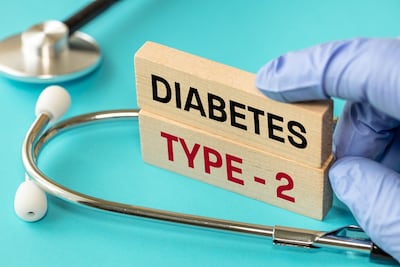
SGLT-2 inhibitors should be used to treat patients with type 2 diabetes much earlier in their treatment, the English health technology assessment institute said, adding that using generic dapagliflozin would save the National Health Service £560m.
Revelations about a big underspend on England’s Innovative Medicines Fund for promising new non-oncology medicines have prompted calls for more transparency about how the money is allocated and how the fund is administered.

The Pink Sheet’s investigation into England’s Innovative Medicines Fund has prompted calls for change from patients and industry representatives.

UK medtech pulls up to NICE’s top table as two-year old Rules-Based Pathway gets a rebrand while device, diagnostic and digital innovators see a bigger TA target come into sight. Meanwhile, the NHS is asking for input into a new commercial strategy.
The UK-US trade deal offers the “the most encouraging signs the industry has seen for many years,” but UK companies had little influence over it and details are still scarce, according to one industry expert.

The health technology assessment institute said its recommendation for the multiple sclerosis drugs, Tysabri and Tyruko, highlighted its continued efforts to drive the adoption of biosimilars across the National Health Service.