Launches

More than a dozen semaglutide generics hit the Indian market at sharp discounts post LOE for Novo Nordisk’s GLP-1 RA molecule, setting the stage for a high-octane battle in the diabetes and obesity segment. Can Novo hold steady amid the avalanche and what are KOLs looking for?
More than a dozen semaglutide generics hit the Indian market at sharp discounts post LOE for Novo Nordisk’s GLP-1 RA molecule setting the stage for a high-octane battle in the diabetes and obesity segment. Can Novo hold steady amid the avalanche and what are KOLs looking for?

Natco has announced a 90% difference in the price of its semaglutide generic in multi-dose vials versus originator Novo Nordisk’s Ozempic pen ahead of launch tomorrow, as Novo’s patents on the product expire today. Its pen will be 70% cheaper.

Celltrion has added a subcutaneous formulation to its Avtozma biosimilar in the US, completing a dual-presentation strategy aimed at matching Actemra and improving uptake in a market where biosimilar penetration has so far remained limited.
Hikma has introduced the first US rival to Nucynta ER in the form of a tapentadol extended-release authorized generic. The launch comes after the firm reported annual sales that were up but profits that were down, with new CEO Said Darwazah promising to right the ship.

Biocon’s FDA approval and Cipla’s US launch – via partner Orbicular – add momentum to the early generic market for Novo Nordisk’s Saxenda.
As the US biosimilars market continues to evolve, Cardinal Health’s director of biosimilars Dracey Poore talks to Generics Bulletin for an exclusive Q&A.

Phase III results for azetukalner in focal onset seizures bested the impressive placebo-adjusted Phase IIb data for the first-in-class drug, which Xenon designed to overcome challenges of other anti-seizure medications.

Even Amneal, a prominent off-patent player, is not immune to generic competition, as its Parkinson’s disease drug Rytary is expected to take a hit.

Glenmark says it plans to launch imminently the first US generic fluticasone propionate rival to Flovent, for which it has just received FDA approval – with an added bonus of 180 days of Competitive Generic Therapy exclusivity.

Natco and US partner Breckenridge have launched generic pomalidomide in the US, targeting a $3.2bn market. The firms believe they have 180 days of shared exclusivity, strengthening Natco’s oncology portfolio.
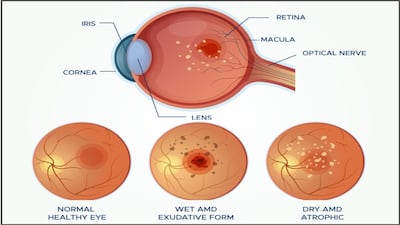
B+L also plans by March 1 to start distributing its Blink dry eye drop line extension, Triple Care preservative free, and in the first half of the year to file an NDA in US for a Luxe formulation of its Lumify redness eye drop brand.