Platform Technologies

Swedish biotech Affibody is using tiny engineered proteins to expand radioligand therapy's target space. CEO David Bejker details its HER2 program, Albumod technology and partnership strategy.

Immunis's secretome therapy showed 26% gait speed improvement in sarcopenic seniors, validating a longevity platform that sidesteps FDA's refusal to recognize aging as disease.

Cambridge, MA-based company seeks to create two-sided marketplace connecting care delivery insights with biopharma drug development.

Alteogen’s new CEO shares his dynamic five years with the Korean biotech which led to its transformation into a global commercial stage biotech with a potential stable revenue base.

The Korean biopharma industry in 2025 was marked by some major deals involving smaller companies, while the improving investment climate could see further activity in selected areas in 2026.

Buoyed by the milestone AbbVie deal, Glenmark expects to “pay down” its debt and is also changing certain legacy practices as it seeks to ascend the value chain to become more of a branded company.

New York biotech OS Therapies reported 75% two-year survival in an osteosarcoma trial of its immunotherapy, OST-HER2. Leadership is targeting early 2026 approvals across three continents for what is the first new osteosarcoma treatment in 40 years.

Pharmaceutical companies are creating collaborative AI platforms that simulate drug trials, accelerate discovery and democratize access to proprietary datasets.
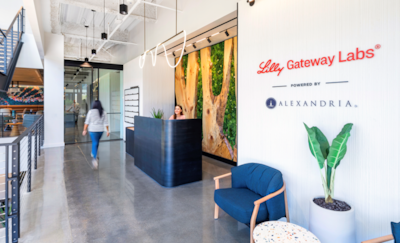
Lilly Gateway Labs, the big pharma’s biotech start-up accelerator, opened a San Diego site. LGL offers early access to new drug and diagnostic technologies that Lilly may eventually license.

From solving delivery challenges for Moderna's COVID-19 vaccine to pioneering the next generation of programmable medicines, the 2025 Rising Leader provides mid-career reflections.

MBX Biosciences uses its Precision Endocrine Peptide (PEP) platform to create hormone therapeutics with improved efficacy, durability and tolerability in rare diseases and obesity.

Despite limited evidence of commercial impact, pharmaceutical companies are making massive strategic investments in AI biologics platforms. The question isn't whether the technology shows promise; it's whether that promise can translate to measurable business results.