Renal

The mineralocorticoid receptor antagonist, which will be a key driver at the German group in the post-Xarelto world, significantly delayed kidney disease progression in non-diabetic patients in another successful late-stage trial.

Renée Aguiar-Lucander, CEO of Hansa Biopharma, discussed the company’s leading asset, its journey toward US FDA approval and the trials and tribulations of completing a Phase III program.
Scrip spoke to global heads of research and early development for oncology, Dominik Ruettinger, and for cardiovascular/renal, Andrea Haegebarth, about Bayer’s strategic focus on precision medicines and key milestones for both therapeutic areas in 2026.

AriBio reaches an exclusive global out-licensing deal with Restari for its next generation PDE-5 inhibitor.

In 2025, the number of global Phase III trials that included US sites and were initiated by Chinese biopharma companies as the sole sponsor fell slightly, but multiple plans are in the works for 2026 following US IND approvals.

Memo Therapeutics is sharpening its focus on its lead antibody Potravitug, for BK polyomavirus (BKPyV) in kidney transplant patients as it prepares for Phase III trials and doubles down on patient engagement.

CEO Renée Aguiar-Lucander tells Scrip that the Swedish team is well-equipped to take its desensitisation treatment for the adult kidney transplant to market in the US.

A China-only Phase III study for the anti-BAFF/APRIL fusion protein marks the latest positive dataset for the drug, which Vor licensed from China-based RemeGen in June.
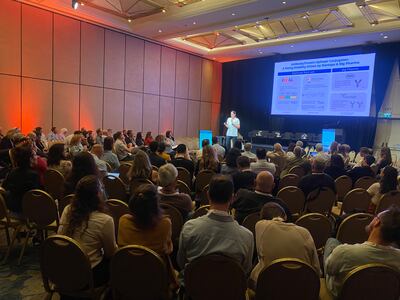
Trojan Bio’s proprietary platform, based on engineered antibodies that activate the immune system to fight cancer in the same way as common viral infections, won Biomed Israel's 2025 biopharma start-up award. CEO and cofounder Anat Burkovitz said the technology is attracting investors' attention.
After posting encouraging Phase II results, the company plans to meet with the US FDA about using data from an ongoing Phase III study for an accelerated approval.

The San Diego biotech’s lead product candidate is an antisense oligonucleotide-based therapy slated to enter Phase III development in the third quarter.

The approval of another Novartis drug with a different mechanism means the company is further cornering multiple parts of IgAN pathogenesis.