
Innovation
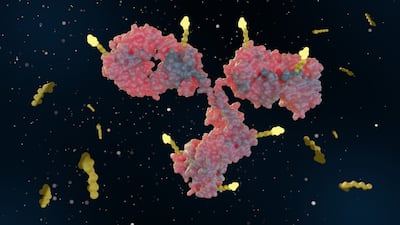
The antibody-drug conjugate pipeline has more than doubled to 895 candidates since 2023, with DNA topoisomerase I overtaking HER2 as the dominant target.
As the race to transform Duchenne muscular dystrophy care accelerates, Santhera Pharmaceuticals’ chief medical officer Shabir Hasham discusses how treatment is evolving, why combination therapies may define the next era and what it will take to improve life for patients and families living with DMD.

Cardiovascular disease is moving to the top of the EU’s health agenda with the release of the Safe Hearts Plan, European Parliament scrutiny of which is expected at the end of Q1. Medical device companies applaud the initiative but will seek more input as the plan evolves.

Cell and gene therapy is shifting into a new phase, as maturing commercial launches, rising big pharma participation and regulatory momentum replace hype and skepticism.

ACC/AHA guidelines are reshaping US payer policies, expanding coverage and access to breakthrough cardiovascular therapies like SGLT2 and PCSK9 inhibitors. But costs, red tape, and uneven access still stand in the way.

The Swedish biotech's LIB-01 offers eight-week efficacy from three-day dosing, targeting high discontinuation rates with current PDE5 inhibitors.

Medable pivots to agentic AI targeting clinical development's 80% manual labor bottleneck, aiming to double CRA efficiency and unlock capacity for 9,000 waiting drug candidates.

Execs at Biotech Showcase debated business models and platform monetization strategies for AI drug discovery companies, with some arguing they should develop internal pipelines and others advocating for partnership models.

AI-related deal activity in the fourth quarter of 2025 brought a broad mix of financing rounds, acquisitions and strategic collaborations.

From biotech experiments to billion-dollar breakthroughs, Noubar Afeyan has built a career out of turning bold ideas into transformative companies.
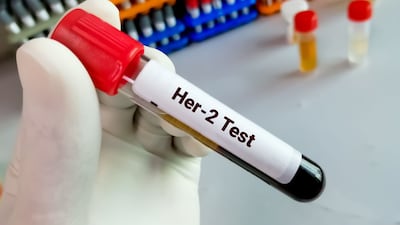
Enhertu's approval for ever-lower levels of HER2 expression is pushing standard immunohistochemistry assays beyond their limits. Pathologists say they have a solution.

EIT Health has helped 3,000 start-ups and SMEs scale across Europe and supported over 120 innovations to launch. Inspired by the US MIT, the EIT Health program is on a mission to raise awareness of its value to healthtech innovators as it embarks on new methods of funding its own activities.
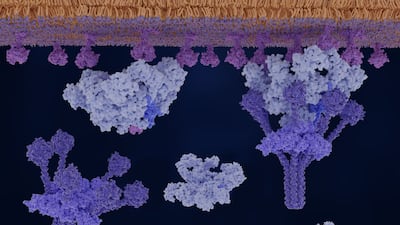
Alexion is leveraging long standing C5 leadership to expand into proximal complement targets and alternative pathway drugs, pairing longer acting and subcutaneous options with genetically guided precision medicines.

Cambridge, MA-based company seeks to create two-sided marketplace connecting care delivery insights with biopharma drug development.

Intranasal H5N1 vaccine experts discuss Phase I data, mucosal immunity, BARDA/NIH funding realities and how BlueWillow Biologics' NanoVax platform could strengthen global pandemic flu preparedness and respiratory defenses.

Gero AI has secured major pharma partnerships in aging space despite raising only $17M, punching well above its weight class.
Matthew Wood, director and chief scientific officer at Oxford-Harrington Rare Disease Center, discusses the state of rare disease R&D, the evolving landscape of genomics and genetic therapies, and the challenges around the biopharma industry’s narrow focus on only 5-10% of rare diseases.

A new CEO, a passionate founder, early-stage R&D and hopes of an IPO – can Swiss biotech Topadur find success?

Executives at the cell and gene therapy accelerator ElevateBio point to clinical impact, expanding toolbox and manufacturing improvements as reasons for optimism.

The obesity field is entering the “sobering” phase of the hype cycle; GLP-1 drugs have opened the door but have limitations. Aphaia CSO Steffen-Sebastian Bolz talks to In Vivo about shifting the focus back to patient experience, not just maximal weight loss.