
Ophthalmology
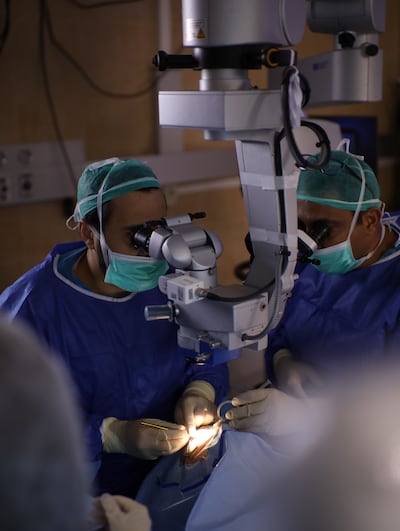
Medtech Insight spoke with Rambam Medical Center’s Michael Mimouni, who implanted the first 3D-bioprinted corneal graft in a human patient, about his hopes for Precise Bio’s approach. The patient is part of a Phase I trial evaluating PB-001 in patients with corneal edema.

The US FDA authorization of the Stellest eyeglass lens from French firm EssilorLuxottica could be game-changing for children with myopia, or nearsightedness. The lenses are designed to slow myopia’s progression in children aged 6 to 12.

The vision company expects total annual revenues of $10.3bn-$10.4bn, marking a slower growth rate than earlier forecasts. However, management remains optimistic that overall trends, as well as recent purchases like STAAR and LumiThera, represent a significant market opportunity.
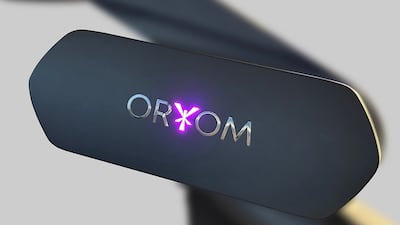
ForSight Robotics is developing a robotic platform to automate cataract and other eye surgeries, aiming to ease surgeon strain and expand access. Backed by $200m in total funding, it's targeting a first human surgery using Oryom by year-end and is in discussions with US FDA.

A deep-learning AI-based retinal image scanning tool can predict the risk of cardiovascular events over a 10-year period with 70% accuracy. The test is comparable to routine GP health checks, researchers from the University of Dundee have shown.

Leaders of robotic systems companies Distalmotion, Neocis and Noah Medical discussed success metrics, competition and funding. Institutional investors are focusing on utilization, procedure rates and a clear path to profitability as the IPO window reopens, BTIG analyst Ryan Zimmerman said.

The US FDA’s device center sent warning letters to three domestic device manufacturers and one German firm for failing to adhere to protocol on several issues.

Global investment in consumer healthtech increased by 9% year-over-year in 2024, totaling $4.5bn, with significant interest in mental health solutions, according to Galen Growth. While the first quarter of 2025 saw raised confidence and investments, the Trump administration’s new tariffs and sweeping changes to healthcare have introduced new uncertainties.

Barcelona-based accelerator S2 Xpeed is driving the rapid growth of medtech and hardware start-ups in Europe. Operating under a "sweat equity" model, the program helps early-stage companies move from prototype to manufacturing readiness in exchange for equity. This month, the accelerator will add a fourth cohort of 10 more start-ups, five of which are in the medtech space.
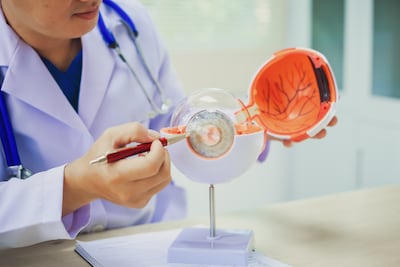
Seonix Bio’s Newly Launched Saliva-Based Genetic Test Aims To Shed Light On Glaucoma Risk Assessment
Seonix launched SightScore, the first clinical polygenic risk score test for glaucoma available in the US, and plans to introduce more genetic-based tests for eye conditions such as macular degeneration.

The US FDA released six more device classifications in early September, including products from Edwards, Interscope, and Baxter Healthcare.

The program, which brings together innovators and device industry stakeholders, helps ease the path to market for novel devices.
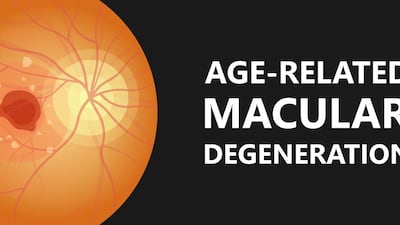
Notal Vision, a Virginia-based patient-centric ophthalmic remote monitoring services provider, has won de novo marketing authorization from the US FDA for a product that allows patients to keep tabs on their age-related macular degeneration while at home.

The Belgian start-up is developing a scleral contact lens with an inbuilt LCD screen capable of filtering light – offering a non-surgical solution to a variety of ophthalmic conditions.

In this month’s Digital Health Roundup, Medtech Insight’s Marion Webb highlights interviews with Abbott’s head of Lingo Biowearables and top executives at Twin Health. Reed Miller provides an update on J&J MedTech’s launch of the Ottava soft-tissue robotic surgery system and Barnaby Pickering talks about his recent interview with Leo Grady, former CEO of Paige AI, to talk about his new start-up Jona.

In this month’s Digital Health Roundup, Medtech Insight’s Marion Webb discusses how two medtech CEOs are and aren’t using ChatGPT in their businesses while Reed Miller talks about his “Cardio Conversations” podcast interviews with Quentin Blackford, CEO of iRhythm, and Rob Krummen, CEO of Vektor Medical. Washington, DC-based reporter Hannah Daniel reviews highlights from the HIMSS conference and the latest updates on FDA guidances.

Leaders of burgeoning ophthalmology companies pitched innovations for treating glaucoma, macular degeneration and corneal blindness to potential investors and partners at the LSI Emerging Medtech Summit in Dana Point, CA. Here’s what Medtech Insight heard and learned in on-site interviews with chief executives.
The US Food and Drug Administration has granted premarket approval to Bausch Health Companies StableVisc Ophthalmic Viscosurgical Device used during cataract surgery.

The company has just two quarters’ of cash remaining, but has also achieved major milestones towards the development and commercialization of its implant that hopes to restore vision in patients with age-related macular degeneration.

The new EU Medical Device Regulation sets a high bar for medtech companies. Kaushal Solanki, founder of US-based Eyenuk, tells Medtech Insight how the firm navigated the new regulation and gained two extra indication approvals for its class IIb eye screening device.