Trade Policy

US Trade Representative is taking two swings under Section 301(b) of the 1974 Trade Act. Customs and Border Protection has March 19 to provide US Court of International Trade with next update on its progress on providing refunds for IEEPA tariffs.
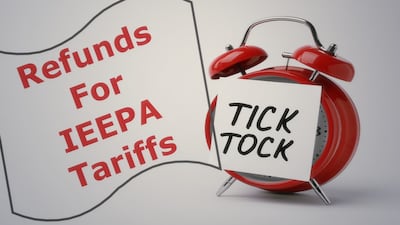
US Court of International Trade expects by March 12 to receive from Customs and Border Protection a “short report describing the progress” it “has made toward the development of a process to issue refunds of IEEPA duties paid with interest.”

As India implements minimum import prices for certain antibiotics and key starting materials, Sandoz's Simon Goeller speaks to Generics Bulletin about the potential for Chinese suppliers to dominate the world market and weaponize supply.
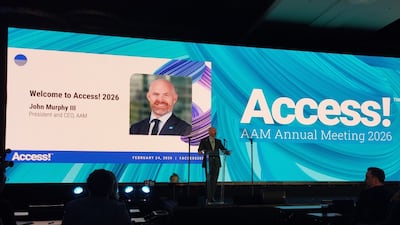
AAM president and CEO John Murphy summarized a year of progress for the off-patent industry in front of an audience of generics and biosimilars industry delegates at the AAM’s Access! 2026 annual conference – but also said more efforts were needed to create a sustainable future environment.
‘This Requires More Than Isolated Policy Interventions’ – Centrient Urges EU To Bolster Supply Chain
Centrient has urged the EU to strengthen its supply chain resilience, including incentivizing local manufacturing through revised procurement practices, after India took action to protect its antibiotics market from an increasing Chinese monopoly.
As India implements minimum import prices for certain antibiotics and key starting materials, Sandoz's Simon Goeller speaks to Generics Bulletin about the potential for Chinese suppliers to dominate the world market and weaponize supply.
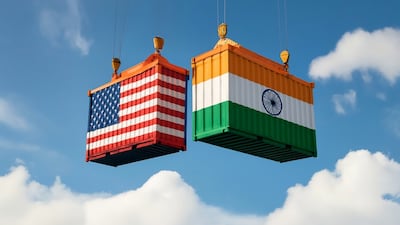
The US-India dance around pharma goes on as they announce a trade deal framework that continues to exempt generics from the reduced 18% tariffs till a “negotiated outcome” is reached post a Sec. 232 investigation. However, oil imports from US could increase costs for Indian pharma firms
The US-India dance around pharma goes on as they announce a trade deal framework that continues to exempt generics from the reduced 18% tariffs till a “negotiated outcome” is reached post a Sec. 232 investigation. However, oil imports from US could increase costs for Indian pharma makers
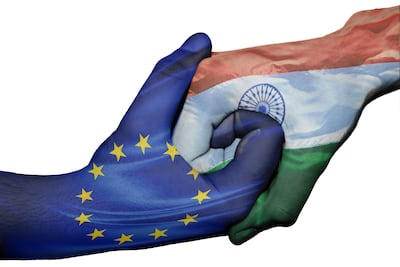
An India-EU trade deal sets ground for a free trade agreement to lower tariffs on pharma, though an investment protection agreement – likely influencing data exclusivity – will be concluded later. Will the US now reconsider its India tariffs?

Two major EU trade agreements are on hold, with ramifications for the pharmaceutical market.

The announced deal means that of 17 companies the White House notified in July, only AbbVie and Regeneron have not yet made a deal.

Experts at a recent summit discussed the complexities and impact of US MFN pricing from a payer perspective and emphasized the importance of a centralized purchaser of drugs to effectively negotiate prices. The potential rise of 'confidential discounts' in Germany was another key talking point.