
Deals
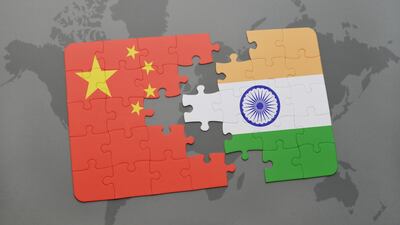
Bio-Thera has added India to its BAT2506 partnership with Intas, granting exclusive commercialization rights and expanding a global network spanning the US and Canada, as the firm builds its presence in the emerging golimumab biosimilars market.

Formycon expects its aflibercept biosimilar to enter European markets from the end of spring, as commercial paths also open up in Latin America and Asia Pacific countries.

Zydus’s investment in a differentiated drug-device combination for semaglutide has led to a win-win GLP-1 co-marketing deal with Lupin, even as the Indian drug regulator keeps a watch on advertising activities.

After creating a new biosimilars unit, Sandoz is now divesting its generics portfolio in Sub-Saharan Africa to the Strides Pharma group. Strides will acquire or license these brands for an initial $12m plus royalty, placing it among the top five firms in the region.

Samsung Bioepis’ explorations for an alternate semaglutide formulation will be powered by G2GBIO’s microsphere technology.

Sandoz has struck a new deal with Samsung Bioepis covering up to five early-stage biosimilars, expanding an existing alliance as the Swiss-based firm ramps up investment, reorganizes its business and targets a wave of upcoming biologics loss-of-exclusivity opportunities.

Cipla has agreed to delay US launch of its sodium thiosulfate generic until 2033 – albeit six years before patent expiry – resolving multi-patent litigation with Fennec while leaving key commercial terms undisclosed.

Deal pairs SteinCares’ regional commercialization platform with Shilpa Biologicals’ development and manufacturing capabilities for an undisclosed biosimilar.

Brazil’s EMS has agreed to acquire Sanofi’s Medley generics business in a deal aimed at strengthening its position in the country’s off-patent medicines market, with the combined platform potentially reaching about 32% share pending regulatory approval.

Cipla will form a 60:40 joint venture with Kemwell Biopharma to develop, manufacture and commercialize biologics for global markets. The India-based venture will leverage Kemwell’s Bengaluru biologics facility and support development, licensing, and export of biologic products.
SamChunDang Pharmaceutical has penned an exclusive licensing and commercialization agreement covering generic versions of oral semaglutide products in the UK and additional European markets.

Long-running litigation between Teva and GSK over a skinny-label generic carvedilol version of Coreg has ended not with a bang but with a whimper, after the two firms settled on undisclosed terms.

Do Zydus and Lupin’s settlements of Myrbetriq (mirabegron) US patent litigation with Astellas constitute a win or a loss?

Samsung Bioepis has signed off on another settlement for its Eylea biosimilar rival, opening up the US market from the start of 2027. While later than other competitors, for Bioepis this marks the resolution of all patent-related matters.
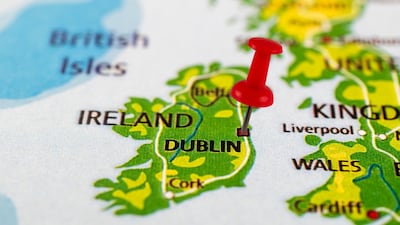
UK generics firm Aspire has made another acquisition aimed at broadening its international footprint, this time buying Irish distributor Caragen.

Formycon bagged a third commercialization opportunity for its pembrolizumab candidate FYB206, with Lotus Pharmaceutical taking over rights for the APAC region.

Kashiv Biosciences and Intas Pharmaceuticals have announced a licensing and supply collaboration on an undisclosed complex peptide for the European, UK and Indian markets.

Following a $90m settlement with Astellas over Myrbetriq (mirabegron) in the US, Lupin can continue selling its generic product even as Zydus says the Delaware district court has directed mediation but the trial is proceeding. How have the generics fared and what does this mean now?

Phlow and Fresenius Kabi are partnering in the US to establish a fully domestic manufacturing pathway for epinephrine injection, with launch targeted for 2027 pending approvals. The collaboration is aimed at addressing the current lack of a US-based API producer.
Organon and Henlius have agreed to settle US litigation with Roche and Genentech over their Poherdy pertuzumab biosimilar rival to Perjeta. But when will they launch?