
AI

During an ECRI-hosted webinar on AI-enabled diagnostics, a panel of experts discussed the promise and risks that come with the technology for both physicians and patients alike.

AI in medtech has moved from “experimentation into expectation,” leaders from Dexcom, Boston Scientific and Ajax Health said at the LSI conference. The execs advised start-ups to focus on embedding AI thoughtfully for real solutions, listening to customer feedback, and instilling a learning culture.

Google spinout Verily has raised $300m to advance its AI-driven personalized healthcare platforms and become an independent company.
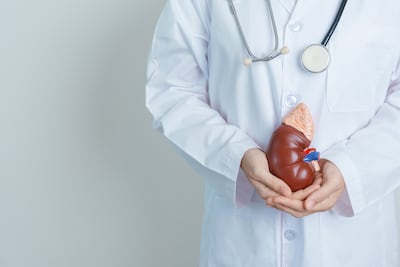
Numares Health bets on a metabolomics-based urine test to help doctors detect kidney transplantation rejection earlier than current biomarkers, which would allow doctors to intervene earlier in trying to save the transplanted organ.

Small Biz Bill A Big Win For Medtech Innovation: Bipartisan Legislation Awaits President’s Signature
The US Congress overwhelmingly passed legislation reauthorizing federal programs essential to smaller medtech firms in need of funding. AdvaMed says the bill is critical for medtech innovation.
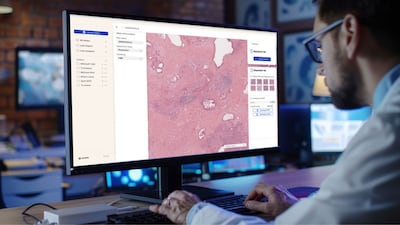
Owkin has spun out its diagnostics division as Waiv, raising $33m to scale AI precision testing in oncology. Waiv CEO Meriem Sefta tells Medtech Insight why the diagnostic infrastructure underpinning precision medicine is already broken – and how Waiv intends to fix it.

Paradromics has launched a new academic-industry collaboration with leading brain-computer interface researchers at Stanford, Mass General, Pitt, UC Davis and Michigan aiming to translate BCI research into devices to help people with speech impairment, stroke and Parkinson’s.

During panel discussions at HIMSS 26 focusing on AI-based tech integration at health systems, tech leaders from Mass General Brigham, City of Hope, Vanderbilt University, and Philips, stressed that start-ups need to solve clinical problems that integrate into workflows and deliver ROIs quickly.
As AI becomes ubiquitous in diagnosing diseases, clinicians must balance the technology’s enormous upside, such as improving the speed and accuracy of diagnoses, with the potential for errors that can lead to delayed or missed treatment.

The FDA’s device center has received a second citizen petition relating to the NarxCare algorithm by Bamboo Health. Both petitions argue that NarxCare qualifies as a regulated clinical decision support product, but it is not clear whether the second petition will succeed where the first failed.
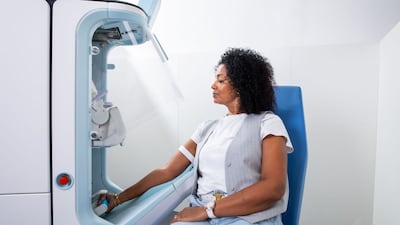
Vitestro raised an oversubscribed $70M Series B to scale its autonomous blood-drawing system across the Netherlands and expand into Europe. The CE-marked robot has been tested in more than 10,000 patients, and the company is pursuing FDA clearance to enter the US market.
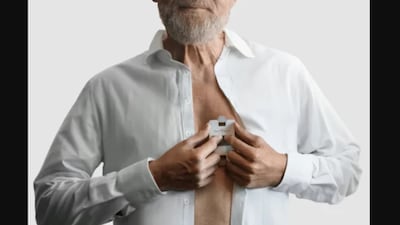
HeartBeam’s CEO says the strength of clinical data convinced the US FDA to reverse course and grant clearance to his company’s innovative ECG device, which he says can assess arrhythmias at home with hospital accuracy.

Recently published lists show that the US Food and Drug Administration had cleared almost 2,000 digital health tools by the end of 2025. Of these, well over half – 1,104 – were radiology devices incorporating AI. Find a full breakdown in these tables.
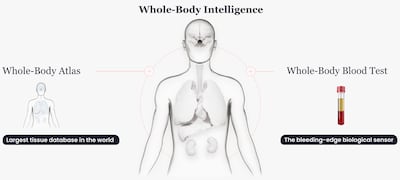
Curve Biosciences is developing a technology that analyzes signals from blood and organs to monitor the progression of chronic disease. The first product is a blood test to monitor patients with liver cirrhosis at risk for liver cancer, the second for MASH.
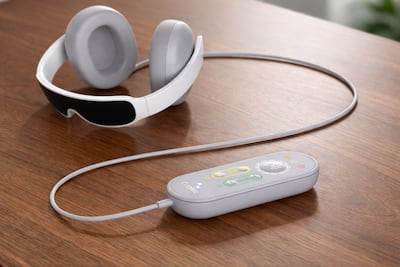
Cognito Therapeutics closed a new funding round to advance its Alzheimer’s headset toward FDA De Novo submission and planned 2027 launch while expanding its Brain Health Collaboratory to support adoption, reimbursement innovation, and pipeline growth.

As brain-computer interfaces near US approval, neuroethics and neural data privacy move center stage. Major medtech deals reshape the market, while new FDA digital health leadership and updated AI, wellness and CDS guidances signal a more flexible regulatory approach.
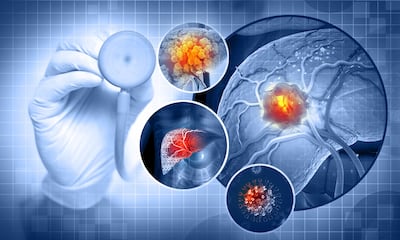
New Precision IO Group CEO Kurt Azarbarzin outlines the near-term strategy for Quantum Surgical’s robotic-assisted ablation platform and NeuWave Medical’s microwave technology. Quantum recently acquired NeuWave, but the companies will continue to operate independently.

Oura is testing a women’s health–focused LLM within its app, aiming to deliver personalized, educational guidance across life stages.
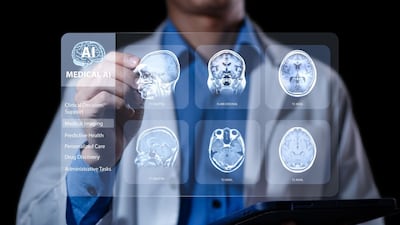
The US FDA has a new digital health head in radiologist Rick Abramson, an AI-industry veteran who is now director of the Digital Health Center of Excellence. Abramson has been an FDA adviser since last summer.

Hims&Hers announced plans to acquire digital health company Eucalyptus for up to $1.15bn.