
Advanced Technologies
AI

At a recent discussion in South Korea, CEPI and other participants explored ways to discover new health cooperation models that go beyond traditional aid approaches and to strengthen Korea’s role.

If the EU’s controversial Artificial Intelligence Act applies restrictive rules to pharmaceutical research and development activities, the UK could benefit from offering a more favorable regulatory environment, top lawyer Stephen Reese explains.

An India-EU trade deal sets ground for a free trade agreement to lower tariffs on pharma, though an investment protection agreement – likely influencing data exclusivity – will be concluded later. Will the US now reconsider its India tariffs?

Using artificial intelligence in drug discovery and development could have huge benefits for companies, but a key challenge will be addressing how data is used to train AI tools and managing intellectual property issues, says Clifford Chance’s Stephen Reese.
Cell & Gene Therapies

The Brazilian government wants to boost the country’s capabilities to develop radical innovation that leads to new therapies for the national health system.

Changing regulatory standards for cell and gene therapies extend the flexibility with manufacturing while the tabelecleucel complete response letter showed high expectations for rigor in clinical trials.

The EU’s draft Biotech Act promises faster clinical trial approvals and innovation incentives, but the industry warns that intellectual property provisions have limited appeal.

Experts said the impact of the planned approval standard changes are difficult to assess given the potential for flexibility outlined in the JAMA article, as the FDA again eschews guidance and public comment in making new policy.
Digital Technologies

GLOBE resurrects Trump’s 2020 effort to try aligning Medicare Part B prices with lower prices abroad, but key aspects of the model have evolved and are noteworthy even if the demonstration does not advance as planned.
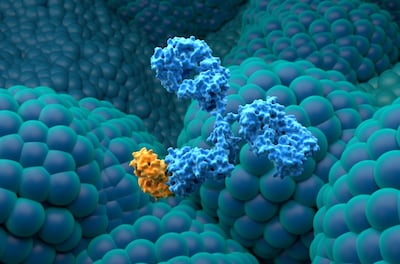
The FDA proposed conditions for eliminating six-month animal studies in mAb development and gave examples when shorter-duration studies could be eliminated.

The UK MHRA is looking to support drug sponsors in using in silico data during the drug development process – a move that will reduce the use of animal models.

Companies have until early November to respond to a public consultation from the European Commission on its planned Biotech Act, which it hopes will help unleash the potential of small and midsize enterprises in the bloc.