
Cardiology

The FDA approved JenaValve’s Trilogy HeartValve for treating severe aortic regurgitation, marking it as the first TAVR device for this condition in the US. The approval, which followed promising clinical results, is significant for patients with limited options due to high surgical risks.

HeartBeam’s CEO says the strength of clinical data convinced the US FDA to reverse course and grant clearance to his company’s innovative ECG device, which he says can assess arrhythmias at home with hospital accuracy.

CMS has reopened the TAVR coverage memo to consider coverage for without symptoms aortic stenosis and pure regurgitation. Stakeholders want to relax CED requirements and update NCD to include newer FDA-approved TAVR devices, improving patient access and outcomes in valvular heart disease treatment.

The US FDA has issued an early alert concerning Abiomed’s Impella purge cassettes, a critical heart pump component that delivers rinsing fluid to the Impella catheter.

California-based startup Esperto Medical hopes its ultrasound-based acoustic approach to measuring arterial shape and resonant frequencies will provide truly accurate, cuffless blood pressure monitoring.

After nearly 30 years at NASA, Omar Hatamleh prepares for his next chapter and fourth book on AI. He told Medtech Insight AI will speed up medical breakthroughs, extend life spans and bring AGI sooner than expected but also drive job losses, erode privacy and force humans to rethink their purpose.

Strong full-year 2025 and Q4 sales rise 13% to $1.57bn.

The US FDA hosted a virtual town hall as a follow-up to final guidance the agency issued last month, which outlines its policy on general wellness medical devices that the agency considers low risk.

Medtronic has agreed to acquire Cathworks for up to $585m, converting a long-standing partnership into full ownership as it expands its footprint in coronary physiology and AI-enabled cardiovascular tools.

The US FDA says Abiomed has reported 22 serious injuries linked to an issue with some of its temporary heart pumps that provide support to patients with acute right heart failure.
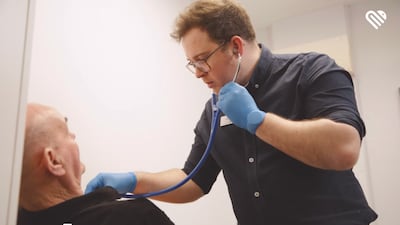
The US FDA has granted clearance to eMurmur, broadening the use of its AI-powered software platform. The innovative system identifies primary heart sounds to detect abnormal murmurs as they occur.

The US FDA has published a draft guidance on clinical performance testing and evaluation for premarket submissions from manufacturers of cuffless blood pressure measuring monitors, which the agency generally regulates as class II devices.

Abbott started 2026 as it ended 2025 – with major regulatory breakthroughs for pulsed field ablation innovations, boosting its EP credentials in the US and EU. It also broadened its IVDs platform by adding cancer detection and screening company Exact Sciences in a deal expected to close in Q2.

Boston Scientific’s $14.5bn Deal Folds Penumbra Thrombectomy Platforms Into Cardiovascular Franchise
Subject to shareholder approval,Boston Scientific will acquire Penumbra for approximately $11bn in cash on hand and new debt, and issue 41 million shares for the remaining $4bn.

The one-time implant for patients with nonvalvular atrial fibrillation, Conformal Medical’s CLAAS, reduces stroke risk by preventing blood clot formation in the LAA and cutting the need for long-term oral anticoagulation therapy. Gore’s purchase sees it enter a $7bn market.

In a letter to its customers, Medtronic said it had also received 41 complaints indicating that the catheters were not retaining their intended shape when bent. The FDA issued an early alert about the recall in August but did not at that time assign a recall class.

Abbott, which secured CE Mark approval earlier this year, is hopeful that Volt, which can integrate with a 3D mapping system, will bring an edge over competitors. It also won FDA approval and CE mark for a heart device for premature babies, the Piccolo Delivery System.

Philips says it intends to fold SpectraWAVE’s intravascular imaging and physiological assessment technologies into its existing intravascular ultrasound ecosystem, including Eagle Eye Platinum catheters and the IntraSight imaging and physiology workspace.

Medicare's new cardiac monitoring payment updates are set to boost home monitoring adoption by easing billing processes and improving reimbursement rates. The changes may benefit providers directly, shifting control from diagnostic testing facilities and potentially reshaping the RPM market.
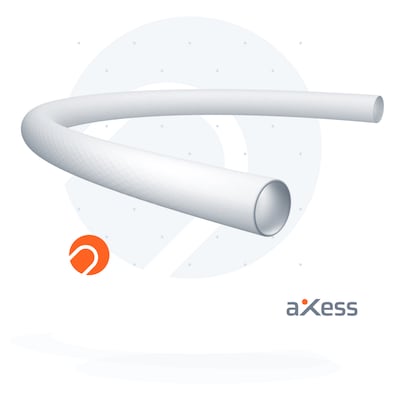
Xeltis secured €50m to scale and market its aXess vascular access graft, a bioresorbable scaffold that transforms into a patient’s own living vessel. With EU regulatory review underway and US trials advancing, Xeltis sees new US Medicare rules as a major opening for alternative treatments.