
Manufacturing Focus

Cell and gene therapy is shifting into a new phase, as maturing commercial launches, rising big pharma participation and regulatory momentum replace hype and skepticism.

Cambridge, MA-based company seeks to create two-sided marketplace connecting care delivery insights with biopharma drug development.

Executives at the cell and gene therapy accelerator ElevateBio point to clinical impact, expanding toolbox and manufacturing improvements as reasons for optimism.
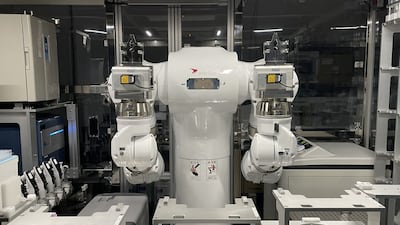
Cellafa Bioscience, an Astellas-Yaskawa joint venture, uses Maholo robotic automation and AI to standardize cell therapy manufacturing, targeting GMP compliance within two years and global expansion.

Executives leading the commercialization of cell and gene therapies are informing how the industry approaches everything from manufacturing strategy to physician education.

Issues that had been concerns in Trump’s first term are realities now, but industry has also seen some successes. Trump’s personalistic style of governance means that larger firms may be at an advantage because of their greater flexibility to cut deals on individual products.

The Stanford professor-turned-CEO's 15-year journey demonstrates how scientific vision and focused leadership can revolutionize pharmaceutical supply chains.

As gene therapy advances and regulations tighten, biopharma companies face growing pressure to design diagnostic assays that are both flexible and future ready. Strategic early investment in assay development can prevent costly delays and rework as therapies progress toward approval.

Replimune's RP1 oncolytic immunotherapy became the third regenerative medicine to receive an FDA complete response letter this month as the agency appears to re-visit previous agreements about accelerated approval.

Thijs Spoor's bet on lead-212 is paying off as Perspective Therapeutics advances three clinical programs with promising early efficacy signals and a comprehensive manufacturing strategy.

Big pharma plans to invest billions of dollars in US manufacturing to avoid tariffs proposed by the Trump Administration. However, the implementation of these plans may be delayed due to regulatory complexities and rising costs from tariffs, potentially impacting drug prices for consumers.
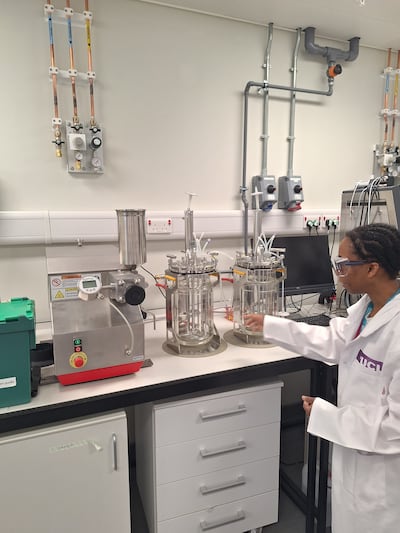
The process of manufacturing medicines can often be complex, expensive and harmful to the environment. Initiatives like RESILIENCE UK are seeking to simplify this process, utilizing VR technology to create a more sustainable learning environment for both students and companies.
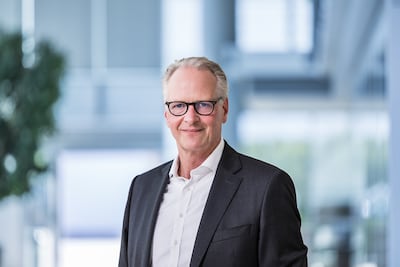
Rentschler Biopharma CEO Benedikt von Braunmühl tells In Vivo about the CDMO's strategic decision to exit the cell and gene therapy manufacturing space.

The Centre for Commercialization of Regenerative Medicine has spent over a decade crafting a cell and gene therapy ecosystem in Canada. Now it is replicating the model abroad.
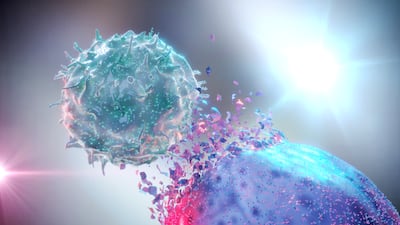
Artiva Biotherapeutics is hoping its NK cell therapy approach, which uses un-engineered cells, will prove effective in both oncologic and autoimmune indications and safe enough to be given in the community setting.

Pharmaceutical manufacturing is developing at a lightning pace as the confluence of automation and AI creates opportunities for much higher efficiency and throughput. Experts from across the industry discuss these, and the challenges around implementation and standardization.

Experts working in the advanced therapy sector tell In Vivo how novel solutions can empower cell and gene therapy manufacturers to reduce costs, improve scalability and optimize their processes – improving the clinical profile and commercial viability of products.

Senior management at the Paris-headquartered drugmaker tell In Vivo about how embracing artificial intelligence has enhanced its ability to accelerate drug discovery, improve clinical trial design and revolutionize its manufacturing and supply processes.
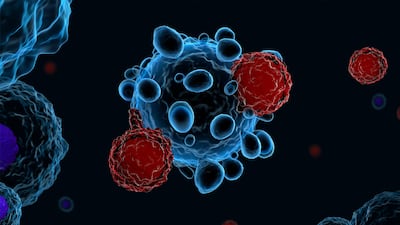
Chimeric antigen receptor T-cell (CAR-T) therapies have revolutionized the treatment of blood cancer, but scalability remains a major challenge. Experts explain how technologies such as chip-based miniaturized models and automation could be part of the solution.
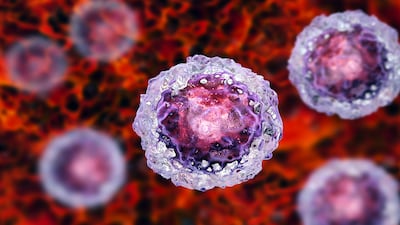
Co-founder and CEO of Cellino Biotech, Nabiha Saklayen, discusses the company’s innovative platform which uses automated technologies to overcome challenges in the development of regenerative medicine.