
Approvals

The FDA approved JenaValve’s Trilogy HeartValve for treating severe aortic regurgitation, marking it as the first TAVR device for this condition in the US. The approval, which followed promising clinical results, is significant for patients with limited options due to high surgical risks.
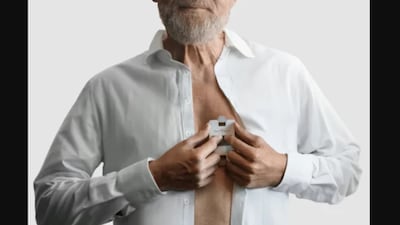
HeartBeam’s CEO says the strength of clinical data convinced the US FDA to reverse course and grant clearance to his company’s innovative ECG device, which he says can assess arrhythmias at home with hospital accuracy.

Recently published lists show that the US Food and Drug Administration had cleared almost 2,000 digital health tools by the end of 2025. Of these, well over half – 1,104 – were radiology devices incorporating AI. Find a full breakdown in these tables.

Real-world evidence (RWE) is increasingly significant in medical device submissions, with FDA guidance evolving to embrace RWE benchmarks. The National Evaluation System for Health Technology (NEST) partners with firms to streamline RWE use, enhancing regulatory processes.

The system, which can be swallowed in a physician’s office and does not require surgery, has been cleared for use in adults aged 22-65 who have failed in at least one weight loss program.
Novocure’s Optune Pax is a wearable non-invasive device that uses electrical fields to disrupt the growth of cancer cells. A pivotal trial showed longer survival in patients who used the device than in those treated with chemotherapy alone.

The US FDA device center’s new annual report found notable successes in 2025 that included continuing to meet user fee goals as well as making progress on patient safety, innovation, and regulatory science.
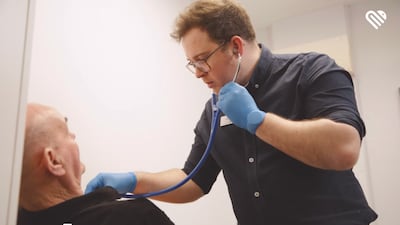
The US FDA has granted clearance to eMurmur, broadening the use of its AI-powered software platform. The innovative system identifies primary heart sounds to detect abnormal murmurs as they occur.

The FDA has cleared Intuitive Surgical’s da Vinci 5 for some cardiac procedures, opening new opportunities for the firm. The company is also looking to expand its presence in ambulatory surgical centers, execs said during a Jan. 22 earnings call.

The US FDA has made incorporating real-world evidence into medical device decisions a lot easier. The agency now says it will accept RWE without requiring it to contain identifiable individual patient data, making more of it available. Many stakeholders welcomed the change.

The US FDA has approved Flow Neuroscience’s at-home brain stimulation device for the treatment of depression, ending a frustrating wait for the Swedish firm.
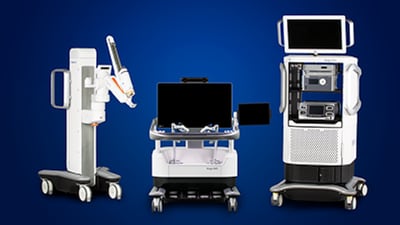
Medtronic won FDA clearance for its Hugo surgical robot for urologic procedures, which Wiliam Blair analyst expects will draw interest from physicians. But he also says that Intuitive Surgical will remain the clear dominant player.

BrainsWay advanced its Deep TMS platform with an FDA labeling expansion for adolescent MDD and the launch of a 200-patient alcohol use disorder trial. The company posted strong Q3 growth and is pursuing new indications and at-home neuromodulation through its Neuralief investment.

Tandem Diabetes Care is positioning for growth in 2026 with the launch of its Mobi Tubeless pump following FDA clearance of its Android-compatible Mobi app while navigating multiple recalls during what CEO John Sheridan called a transformative year.

Fresh off de novo clearance, Biolinq plans to launch its needle-free CGM for type 2 diabetes not on insulin in early 2026. Pricing has not been disclosed, but “won’t be too far apart” over rivals Abbott’s Lingo and Dexcom’s Stelo CGMs, CEO Rich Yang said.

The Daxor Blood Volume Analysis (BVA) is aimed at improving care for heart failure patients. It will allow blood volume to be measured from the patient’s bedside for the first time and is also significantly faster than earlier testing methods.

The US FDA authorization of the Stellest eyeglass lens from French firm EssilorLuxottica could be game-changing for children with myopia, or nearsightedness. The lenses are designed to slow myopia’s progression in children aged 6 to 12.

Launching a medical device in Japan requires a solid reimbursement strategy as patients can't pay out of pocket. Companies must build ties with experts and prepare a comprehensive reimbursement dossier. Japan's strict pricing and focus on clinical benefits make early planning essential for success.
The US FDA has approved Medtronic’s Altaviva, a subcutaneous device implanted near the ankle that offers a new treatment option for adults with urge urinary incontinence.
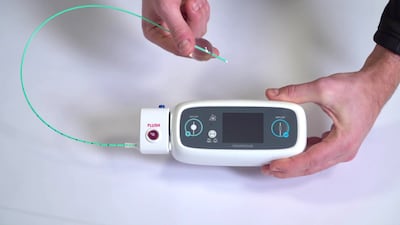
After receiving the CE marking for its non-shockable cardiac arrest treatment device, the Dutch medtech is looking for partners to bring it to Centers of Excellence.