
Scaling Cell & Gene Therapy
With an FDA submission confirmed and a priority review voucher in play, Regeneron is targeting a year-end approval, but the competitive math in gMG is unforgiving.

HAYA Therapeutics is targeting long non-coding RNAs in the “dark genome” to reprogram disease-driving cell states, with a Lilly collaboration and IND-stage cardiac fibrosis program validating the approach.

Clinical evidence points to immune system ‘reset’ and durable remission. Investors have taken note and the deals have followed.
Launching In Vivo’s oncology therapeutic review series, this first instalment provides a data-led primer on the global cancer landscape. Future instalments will explore market dynamics, pipeline evolution and the innovations set to define oncology therapeutics through 2032.

Astellas head of oncology development on why a pan-KRAS degrader and a modality-first strategy could define the big pharma’s next chapter.

Merck's post-Keytruda oncology strategy rests on three pillars – immune deepening, tissue targeting and tumor-intrinsic mechanisms – anchored by patient selection, AI-accelerated discovery and a KRAS bet that could define its next era.

In this two-part series, In Vivo examines who is building the autonomous lab, what architectural and business model choices they are making, and what the implications are for drug discovery organizations, external R&D partnerships and the workforce that will be asked to operate these systems.

Something fundamental has shifted in cell therapy investment over the past 18 months. No longer about which science works, it has evolved around the question of which business model pharma believes it can scale. Increasingly, that question is being answered before a single patient is enrolled.

As biopharma continues to push the boundaries of innovation, the most powerful breakthroughs are coming from the discovery of new drug modalities, the reinvention of old ones and a strategic application of multi-modality treatment regimens.

Boehringer Ingelheim is restructuring its therapeutic operations to push decision-making closer to brand teams while keeping R&D spending around 25% of revenues.

Immunis's secretome therapy showed 26% gait speed improvement in sarcopenic seniors, validating a longevity platform that sidesteps FDA's refusal to recognize aging as disease.

SpliSense is the first company to show inhaled antisense oligos improve lung function in cystic fibrosis, validating its platform for larger COPD and asthma markets.

Cell and gene therapy is shifting into a new phase, as maturing commercial launches, rising big pharma participation and regulatory momentum replace hype and skepticism.

Execs at Biotech Showcase debated business models and platform monetization strategies for AI drug discovery companies, with some arguing they should develop internal pipelines and others advocating for partnership models.

Execs at Biotech Showcase debated business models and platform monetization strategies for AI drug discovery companies, with some arguing they should develop internal pipelines and others advocating for partnership models.

From biotech experiments to billion-dollar breakthroughs, Noubar Afeyan has built a career out of turning bold ideas into transformative companies.
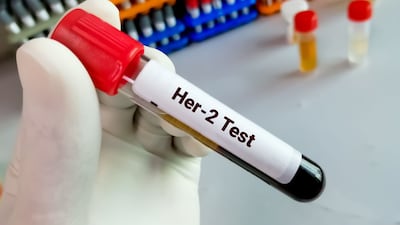
Enhertu's approval for ever-lower levels of HER2 expression is pushing standard immunohistochemistry assays beyond their limits. Pathologists say they have a solution.
Gero AI has secured major pharma partnerships in aging space despite raising only $17M, punching well above its weight class.

Executives at the cell and gene therapy accelerator ElevateBio point to clinical impact, expanding toolbox and manufacturing improvements as reasons for optimism.

The obesity field is entering the “sobering” phase of the hype cycle; GLP-1 drugs have opened the door but have limitations. Aphaia CSO Steffen-Sebastian Bolz talks to In Vivo about shifting the focus back to patient experience, not just maximal weight loss.