
Strategy

Rising logistics and energy costs linked to disruptions in shipping through the Strait of Hormuz are beginning to ripple through India’s medical device supply chain. Industry leaders warn prolonged instability could raise production costs, strain working capital and disrupt manufacturing schedules.

Danaher paid $9.9bn for Masimo. Abbott committed to Exact Sciences. Boston Scientific reached for Penumbra. Medtronic accelerated on multiple fronts. The window medtech spent two years waiting for is open – and the industry is moving through it fast.

Paradromics has launched a new academic-industry collaboration with leading brain-computer interface researchers at Stanford, Mass General, Pitt, UC Davis and Michigan aiming to translate BCI research into devices to help people with speech impairment, stroke and Parkinson’s.

The global medical device market reached $623.37 billion in 2026 and should exceed $1.08 trillion by 2035. Despite this explosive growth, the journey from research and development to commercialization remains fraught with regulatory complexities, evolving market dynamics, and technical disruptions.

India's medical device manufacturers are absorbing a cost shock on two simultaneous fronts – polymer prices up nearly 50% and gas supplies cut to 40% of contracted volumes due to the ongoing conflict in the Middle East.
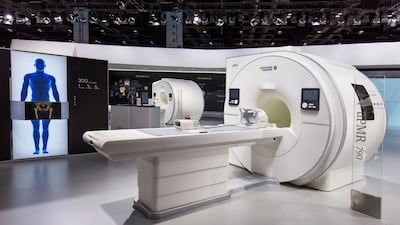
China is still medtech's most consequential market conversation. Across Medtronic, Roche, Abbott and peers, the headwinds vary, the timelines differ and the strategic consequences are only beginning to surface.

SS Innovations said the net proceeds from the financing will be directed toward working capital and general corporate purposes, with a focus on advancing global expansion efforts across existing and target markets.

The acquisition adds an immunohistochemistry antibody, reagent and instrument portfolio to Agilent's pathology offering, expanding its clinical and research lab client groups.

This acquisition is expected to be minimally dilutive to Medtronic adjusted EPS in FY27 and accretive thereafter.

A turbulent market backdrop, geopolitical shock following the US and Israel striking Iran days before pricing, and a limited public float is likely to have weighed on investor appetite.
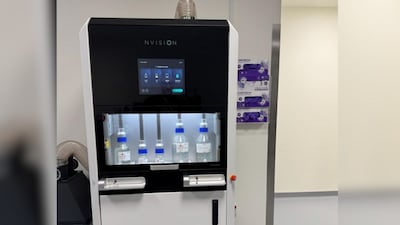
NVision is pursuing regulatory clearance in the US, with trials launching across the US, Europe and Asia. In Europe, it is starting with Germany, Denmark, the UK and Italy before seeking broader EMA approval.
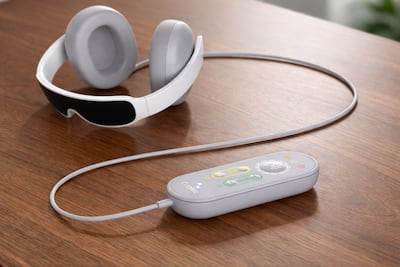
Cognito Therapeutics closed a new funding round to advance its Alzheimer’s headset toward FDA De Novo submission and planned 2027 launch while expanding its Brain Health Collaboratory to support adoption, reimbursement innovation, and pipeline growth.
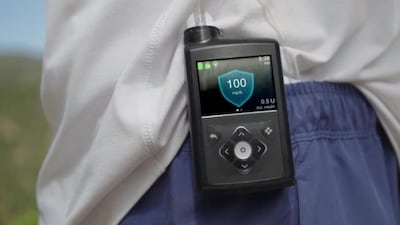
Medtronic plans to retain about 90% of the newly standalone MiniMed. While MiniMed’s 2025 revenues totaled $2.7bn, the company still posted a net loss amid strong competition from Abbott and Dexcom and recently announced more than six dozen layoffs at its California plant.

Device-based neurotherapeutics face a coverage gap that drug developers do not, and as the field moves toward combination approaches, that asymmetry could undermine important innovation.

Oura is testing a women’s health–focused LLM within its app, aiming to deliver personalized, educational guidance across life stages.

Omnipod’s main strength has been its patch pump design. However, new patch pump products from competitors such as Medtronic (MiniMed Fit) and Tandem (Sigi) could change the competitive landscape if they deliver better clinical performance.
For the fourth quarter of 2025, Baxter reported $3bn in continuing operations sales, up 8% year over year on a reported basis and 3% operationally, reflecting broad-based segment growth.

California-based startup Esperto Medical hopes its ultrasound-based acoustic approach to measuring arterial shape and resonant frequencies will provide truly accurate, cuffless blood pressure monitoring.

Olympus released its Q3 2025 earnings on Feb. 13, lowering its full-year revenue outlook by 2% on a constant currency basis. While the company acknowledged continued pressure in the US, management said it expects performance to rebound in Q4.

Medtronic said its MiniMed Fit patch pump development remains on schedule, with plans to submit the device to the US Food and Drug Administration by the fall.