Policy & Regulation

A new bill soon to be debated by the German parliament would introduce worrying cost containment measures for pharmaceutical companies, while abolishing controversial price controls.

Pharma companies facing supply disruptions and increased costs linked to the Iran war could turn to new services being increasingly offered by third-party logistics providers to mitigate these pressures.

President Trump’s Executive Order to accelerate psychedelic drug development puts breakthrough‑designated psilocybin programs first in line for US FDA fast‑tracking and marks a milestone with the first clearance of an ibogaine‑class IND.

EU countries will be able to request companies to launch and supply their drugs at the national level under the new EU pharma reform package, a move that trade association EUCOPE has warned could create “additional operational and financial pressure.”

The reform of the EU pharmaceutical legislation has now been finalized, with draft versions of the new directive and regulation recently released. The Pink Sheet offers an infographic comparing the key changes ahead compared to the existing rules for industry.

A new designation pathway by the Saudi Food and Drug Authority aims to accelerate innovative drug development, contingent on clinical trials being conducted locally.

The FDA’s Pharmacy Compounding Advisory Committee review of peptides is an early policy step, but rulemaking and manufacturing constraints may delay its impact.

The Haystack Project is urging the FDA to swap ad hoc flexibility in rare disease trials for a clear, durable framework that embeds scientific rigor in a disease-specific context.

Moves to reorganize Brazil’s health technology appraisal system would make the national health service vulnerable to pharmaceutical industry interests, warn critics.

The new modulated approach to regulatory data protection under the EU pharma reform package sets a “high threshold” compared to the current framework, with some “uncertainty” for developers, a lawyer from Covington and Burling explains.
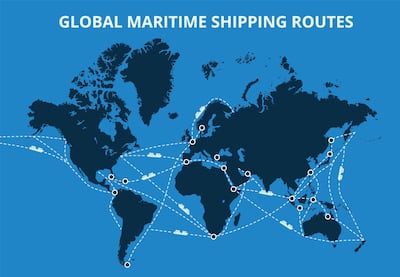
A prolonged US blockade of Iranian ports might cause a supply chain impact so far restricted to Asia to spread wider in the mid-term. Experts believe generic drug shortages could result from portfolio restructuring, though innovator drugs remain largely insulated for now.

Different tariff rates on US pharmaceutical imports will create “competitive distortions” across different markets and influence where companies invest, according to EUCOPE.
US tariffs on pharma create a tiered maze that needs careful navigation. More clarity is needed on exemptions or zero tariffs for a fine-tuned judgement on the impact they will have on the bottom lines and future strategy of companies

The Swiss pharmaceutical industry association has called for a UK-style deal to be negotiated with the US for Switzerland.

The European Medicines Agency’s human medicines committee could soon accept as scientifically valid evidence generated by virtual control groups in applications seeking marketing authorization for medicines.

The new EU pharma legislation will introduce modulated market exclusivity periods for orphan medicines and the concept of a “global” orphan marketing authorization, which will remove separate exclusivity periods for different indications.

Most big pharmas – the companies that tend to have a global manufacturing network – are exempt from the US government’s Section 232 tariffs on pharmaceuticals.

The Germany-based family-owned company, which has posted a decent set of financials for 2025 driven by Jardiance and Ofev, is particularly concerned about the red tape involved in getting clinical trials off the ground.

The US Government Accountability Office urged the FDA to publish long‑required guidance explaining how it evaluates advisory committee member conflicts of interest, spotlighting a transparency gap that has persisted despite a congressional mandate.

Under a new initiative aimed at strengthening original R&D, South Korea's government unveils revised criteria for both domestic and foreign pharma firms to be formally certified as "innovative" and eligible for certain policy support.