
Middle East & Africa

A new reliance pathway under which regulators will rely on each other’s assessment reports strengthens the goals of key continental health initiatives, including the newly formed African Medicines Agency.

Drawing on around 60 years of experience, the European Directorate for the Quality of Medicines & HealthCare will help the newly formed African Medicines Agency develop robust quality control systems.

The Medicines Control Authority of Zimbabwe has begun to publish public assessment reports for medicines it approves or rejects, in line with the World Health Organization’s highest maturity level benchmarking.

The Medicines Control Authority of Zimbabwe has begun phasing in mandatory package labeling requirements based on GS1 identification standards. It aims to improve the traceability of medicines throughout the entire supply chain.

If approved, Sanofi’s acoziborole could become the first single-dose oral treatment for sleeping sickness.

Kwabena Frimpong-Manso Opuni has been appointed as the new acting CEO of the Ghana Food and Drugs Authority, succeeding Delese Darko, who is now head of the Africa’s pan-continental medicines agency.

Roche’s filing for Elevidys in the EU followed applications in Middle Eastern countries because those markets accept applications based on approval by the US Food and Drugs Administration.
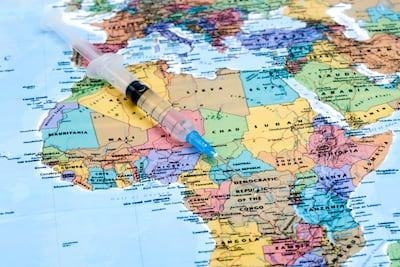
Darko has become the first director-general of the AMA, an organization set up to transform access to quality-assured medicines across Africa and foster a more predictable, efficient regulatory environment for innovation.

The African Medicines Agency is to appoint a director general and become operational at the end of this month.

Israel has introduced a new framework to expedite the marketing approval of medicines, make the country a more attractive destination for drug registration and help reduce drug prices through market competition.
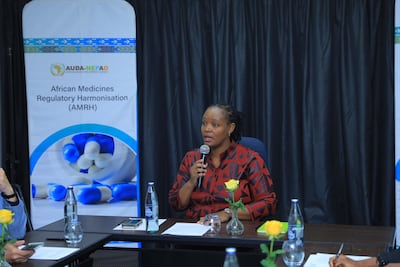
In a historic move for Africa, five products have been backed for approval via a pilot that tested a continental listing process.

Efforts have stepped up to enhance Africa’s capacity to meet international good manufacturing practice standards, empower regulators across the continent, and drive sustainable growth in the pharmaceutical sector.
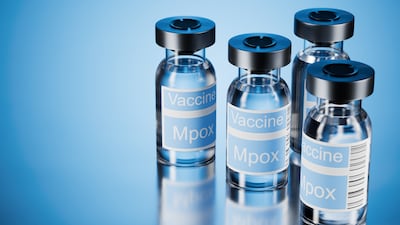
Japan ships the first batch of 50,000 mpox vaccine doses to DRC after training local healthcare providers dealing with the persistent outbreak.
Egypt is the first African country to win a WHO maturity level 3 benchmarking rating for medicines and vaccines that are locally produced and imported.

A newly published draft implementing act sets out the procedural rules for the joint scientific consultations that are foreseen by the EU’s Health Technology Assessment Regulation.
The World Health Organization has also prequalified the Bavarian Nordic vaccine to enable broader and timely access.

Companies marketing pharmaceutical products in Saudi Arabia are being urged to prepare for upcoming mandatory pharmacoeconomic assessments to demonstrate the added value of their drugs over existing treatments.
The Democratic Republic of Congo, the country worst hit by the mpox crisis, has now received the first batch of vaccines for the disease. Meanwhile, the World Health Organization is expected to complete its review for emergency use listing of mpox vaccines soon.

Eli Lilly will provide a know-how manufacturing guide to EVA Pharma, as it prepares to manufacture and sell baricitinib by 2026.
Manufacturer KM Biologics has confirmed to the Pink Sheet it has filed for an emergency use listing to WHO for its mpox vaccine LC16, which has shown efficacy for post-exposure prophylaxis within 14 days, although its efficacy for pre-exposure prophylaxis is still inconclusive.