Medicaid
Although the legislation has little chance of passing, it offers some clues about the administration's goals for MFN agreements, which differ from the voluntary deals struck with large pharma companies.

CMS also outlined eligibility criteria for patients with a body mass index of 27, 30 and 35 or more for the demonstration project planned in Medicare and Medicaid.

The agency may be prepared to discuss broader voluntary Most Favored Nation agreements with small and mid-size firms during April meetings about the GENEROUS model.
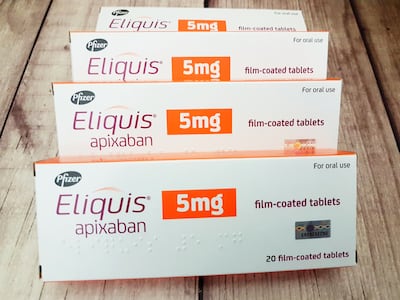
The first round of price caps imposed via Medicare negotiation have taken effect, but if the leading target is any indication, industry appears able to handle the consequences.
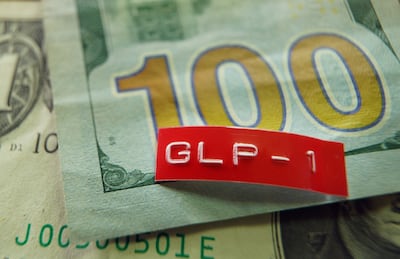
The sales opportunity in Medicare Part D and Medicaid arrives as Lilly and Novo Nordisk face a new competitive threat from compounded semaglutide for obesity.

The HHS OIG advisory pertains to manufacturer sales to patients. OIG will seek stakeholder input regarding possible additional guidance on manufacturer arrangements with pharmacies, pharmacy benefit managers, telemedicine vendors and marketers.
BMS's Lenkowsky discussed the impact of the company's MFN deal in an interview at the J.P. Morgan Healthcare conference.
The plan does not include many details, but is intended to help Congress draft legislation ensuring Most Favored Nation drug pricing agreements can be made, as well as implement measures intended to lower insurance premiums.

The announced agreement means AbbVie and Regeneron are the only companies of the 17 notified by the White House in July yet to make a deal.

The agency is considering setting a payer participation ‘threshold’ to meet before the model goes into effect.
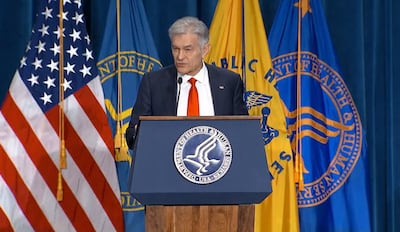
The US Centers for Medicare and Medicaid Services argued gender affirming care is not health care to help justify the new proposed rules. The argument could create a new opening for the federal government to go after other pharmaceuticals.

Manufacturers are responding to a convergence of factors, but plans will miss the rebate dollars they have relied on in the current pricing model.

The Trump Administration’s formula for ‘Most Favored Nation’ pharmaceutical pricing has evolved since the first Trump team proposed MFN pricing for Medicare in 2020. The ‘GENEROUS’ Medicaid model in 2025 is indeed more generous to manufacturers – though still not an attractive proposition.

Demonstration could bring unprecedented transparency into international net prices, at least to CMS.
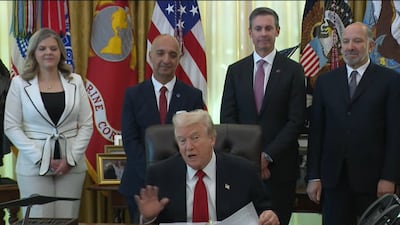
The $245 price agreed to by both firms may be in line with the maximum fair price that Medicare negotiated for Novo Nordisk’s semaglutide products.
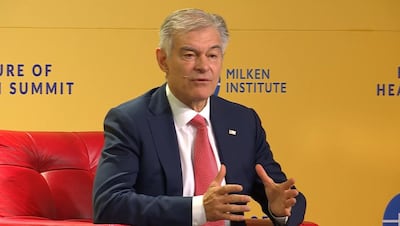
The Trump Administration’s efforts to encourage more US-based pharmaceutical manufacturing have largely centered on FDA plans and Trump’s threats of tariffs and Most Favored Nation pricing, but Oz hinted Medicare and Medicaid soon may soon announce new incentives.

John Brooks, who is a lead negotiator on Most Favored Nation pricing commitments, said manufacturers must present a united front in order to narrow the gap between US and foreign drug prices.

Pink Sheet reporter and editors discuss the FDA’s role in the Astra Zeneca Most Favored Nation drug pricing deal and the Justice Department interpreting the off-label promotion laws differently than the FDA.

A combination of two individual IVF treatments, Pergoveris has the potential to be a lower cost option in the US, one of the qualifications the FDA wants in a National Commissioner's Priority Voucher candidate.

Pfizer and AstraZeneca must be confident that drug price reductions in Medicaid and through direct-to-consumer channels will not lead to deeper discounts in the 340B program.