PBMs
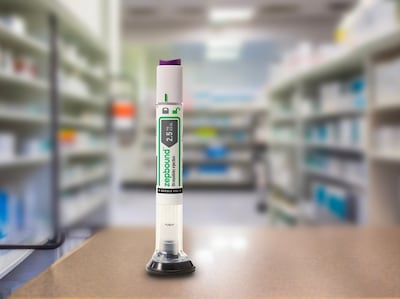
The program could increase the momentum for establishing a new model for employer-sponsored insurance coverage.
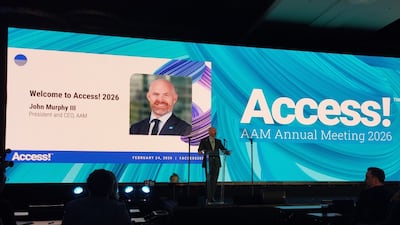
AAM President and CEO John Murphy summarized a year of industry progress in front of generics and biosimilars industry delegates at AAM’s Access! 2026 conference, but also said more efforts were needed to create a sustainable future environment.
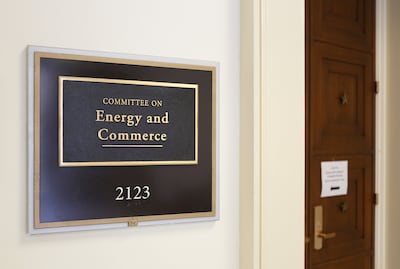
During a House Energy and Commerce Health Subcommittee hearing, chair Morgan Griffith suggested he would support efforts to learn more about the Most Favored Nation deals between the Trump Administration and individual drug companies.

The agreement covers the gamut of often criticized PBM tactics and includes commitments to pass price concessions to consumers.
The US Labor Department also added a proposed rule requiring PBMs to disclose additional compensation information to certain employer-plan sponsors.
Enactment of a law delinking PBM compensation from list prices would still be a long-sought victory for pharma.
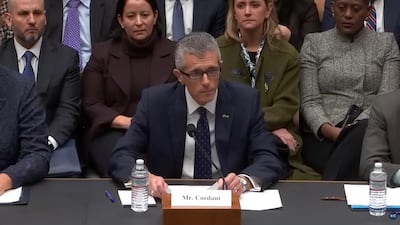
The grilling of several leading US insurance executives by two House committees suggested one benefit from the Most Favored Nation pricing deals is that for one day, someone else was on the hot seat.

The plan does not include many details, but is intended to help Congress draft legislation ensuring Most Favored Nation drug pricing agreements can be made, as well as implement measures intended to lower insurance premiums.

Industry watchers are skeptical about broad uptake of the model, but Cigna aims to enroll 50% of fully-ensured employer plans in its first year of broad availability.

Business Group on Health annual employer survey highlights fast-growing Rx costs, led by the GLP-1 drugs, and payer strategies for controlling them. Policy prescriptions are unclear, though, since employers are loath to leave PBMs and nervous about pending changes to Medicare and Medicaid.

The billionaire investor said during a recent conference that brand drug manufacturers want to work with his Cost Plus Drug Co., but are afraid the PBMs will retaliate.

Complaints about TPAs offer an explanation of why self-funded employers continue to use the big three PBMs despite concerns about those relationships. Proposed solutions include banning retaliatory fees and data withholding.

A new PBM reform package has familiar provisions, but stakeholders want it to move as a stand-alone bill, rather than as part of a larger legislative vehicle.

The budget reconciliation bill nears final passage without pharmacy benefit manager reforms or provisions that would facilitate access to cell and gene therapies for children, but its Medicaid cuts pose a significant threat to prescription drug access.
CMS Administrator Mehmet Oz said PBMs may deserve "one last chance" to fix the rebate system before federal regulations and legislation are enacted.

The suits are an early test of the Arkansas law banning company ownership of PBMs and pharmacies in the state, as other states consider similar legislation.
The new FTC chair addressed concerns that staffing cuts will undermine the commission’s commitment to pharmacy benefit manager oversight.

Industry will fight hard to prevent other states or the federal government from adopting measures similar to Arkansas' law preventing PBMs from owning pharmacies.

The first two classes of negotiated drugs under the Inflation Reduction Act would not benefit from a rare disease adjustment House Republicans included in their reconciliation package.

Employers and other health plan sponsors may need to push for better targeted reforms that lower cost sharing for patients.