
North America

A workshop co-hosted by the US FDA and Duke on ideas to expand access to epinephrine for anaphylaxis is the latest example of the agency holding a public meeting that could have been an advisory committee – but without the formalities.

Some FDA employees who were recently laid off by the Trump Administration are being called back to work, multiple sources confirmed to the Pink Sheet.
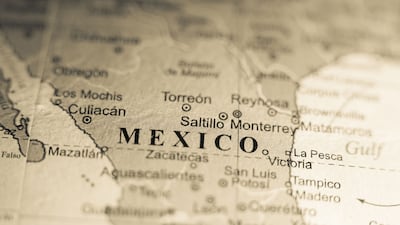
Bayer is investing $52m in its Lerma, Mexico manufacturing site, which the firm said will enable it to increase production of key OTC brands like Aspirin and Alka-Seltzer from 100m to 140m units by 2030.
Proposed administrative order likely is first to prompt opposition from OTC industry or other stakeholders potentially delaying or deferring the agency’s expectation for moving its proposal to a deemed final order effective one year after it would be published.
Latin America
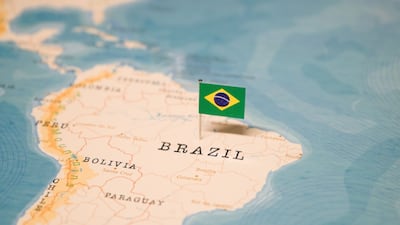
Brazil has approved legislation permitting pharmacies to operate within supermarkets, expanding consumer access to OTC medicines while maintaining strict pharmacist oversight and existing safety standards.

The global consumer health industry sees emerging markets as an engine for growth in an otherwise stagnating market. But panelists at the Global Self-Care Forum in Geneva warned that regulatory gaps and lack of harmonization may stunt this potential in the short term.

GSCF, AESGP and ILAR agree that 2026 will see self‑care translate into more tangible system‑level action, propelled by prevention, regulatory updates and more assertive efforts to counter misleading claims.

The South African Health Products Regulatory Authority is calling on manufacturers of food supplements marketed for children containing zinc picolinate and/or selenium to withdraw these products from the market within six months of the notice.
Europe

Just a 1% improvement thanks to probiotic use in areas like antibiotic‑associated diarrhea, respiratory tract health, oral health, women’s health, lactose digestion, and mental wellbeing could generate significant savings for Europe's strained health systems.

A new ANEFP survey shows that while most Spanish consumers see self-care as essential to good health, gaps in knowledge, mental health support and broader socio‑economic pressures continue to limit how effectively it is practised.

In a foreword to a blog post by PAGB CEO Michelle Riddalls, the UK medicines regulator MHRA has signalled strong support for expanding Rx‑to‑OTC reclassification as a safe way to ease pressure on the NHS, strengthen the role of pharmacists and improve access to medicines.

In Part 2 of HBW Insight’s Over the Counter podcast with David Pineda Ereño, we discuss how consumer health companies are navigating fragmented EU rules and leveraging e‑commerce to exploit the commercial potential of postbiotics. We also briefly discuss the exciting area of postbiotics.
Asia
The global consumer health industry sees emerging markets as an engine for growth in an otherwise stagnating market. But panelists at the Global Self-Care Forum in Geneva warned that regulatory gaps and lack of harmonization may stunt this potential in the short term.

Japan is tightening access to eight widely used OTC ingredients from May 2026 to curb youth misuse, a move broadly accepted by industry but expected to constrain online availability due to strict face‑to‑face or video‑verified sales requirements.

Japan is accelerating its tightly managed switch strategy, adding a second emergency contraceptive, expanding EC access to over 7,000 pharmacies, and approving meloxicam as a new pharmacist‑dispensed analgesic.

Featuring: Prevention‑driven reforms in Vietnam; surging demand for OTC and herbal based interventions in China; Singapore updates its health data infrastructure; regional regulatory harmonization across Australia, Singapore and Indonesia; and WHO sets formal direction for TCIM.
International
The global consumer health industry sees emerging markets as an engine for growth in an otherwise stagnating market. But panelists at the Global Self-Care Forum in Geneva warned that regulatory gaps and lack of harmonization may stunt this potential in the short term.

Self-care is gaining momentum worldwide, as the Global Self-Care Federation Forum in Geneva made clear. But a central question remains: if self-care is to deliver on its promise of healthier populations and more sustainable healthcare systems, who will finance it?
GSCF, AESGP and ILAR agree that 2026 will see self‑care translate into more tangible system‑level action, propelled by prevention, regulatory updates and more assertive efforts to counter misleading claims.

The global allergy market is “expanding again but on new terms, driven by a mix of regional strength, evolving consumer behaviors, and an increasingly diverse competitive field,” according to the latest IQVIA Consumer Health analysis.