
Business
Bart Heldreth, Cosmetic Ingredient Review executive director, reflects on the accomplishments of its expert safety panel, which has published safety assessments for more than 7,000 ingredients since CIR’s establishment in 1976.

Fragrance intelligence and analytics provider OnScent says US TikTok Shop is on its way to achieving annual sales of $500m.

The Expert Panel for Cosmetic Ingredient Safety wants data to better understand airbrush cosmetic products and devices, but does not expect it will receive it.
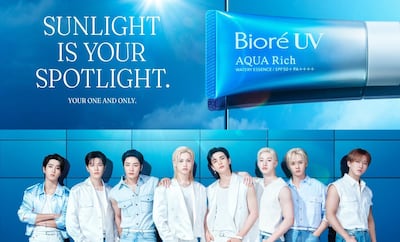
Kao Corp. will launch Bioré in South Korea, while promoting the brand’s UV products with a global campaign featuring K-Pop band Stray Kids. Separately, Ulta Marketplace adds 17 K-Beauty Brands to the K-Beauty World platform.
Innovation & IP

Galderma launches a day/night duo that delivers antioxidants in a formula designed for sensitive skin, while Niagen Biosciences expands from its largely dietary supplement portfolio into skin care with the debut of Niagen NanoCloud.
Retailers selling third-party counterfeits online could be doing more to prevent the sale of the products, says an attorney.

The Estee Lauder Companies, Inc.’s Aveda brand is partnering with packaging tech firm AeroFlexx LLC to develop refillable packaging for ‘select best-selling’ products.

Revlon’s Elizabeth Arden brand introduces its first flagship scent in eight years, while Calvin Klein names singer Rosalia as the face of its new scent trio that represents the highest scent concentration for the brand.
Policy & Regulation
The Expert Panel for Cosmetic Ingredient Safety wants data to better understand airbrush cosmetic products and devices, but does not expect it will receive it.

Circular Action Alliance, the Producer Responsibility Organization in charge of implementing California’s EPR program, urges single-use packaging producers to comply with an upcoming May 31 deadline, which will shape proposed fees.
President Trump issued an Executive Order on ‘Made in America’ and similar US-origin claims that will likely result in increased FTC enforcement on marketing with the claims and the potential for increased pressure on online marketplaces.

Johnson & Johnson’s petition for a writ of certiorari with the US Supreme Court has drawn the attention of the US Chamber of Commerce and other trade associations, which have filed an amicus brief in support of the firm.